Fergana Region
The heart of the Fergana Valley — two-thousand-year-old cities, masters of silk and ceramics, and the foothills of the Alay. Facts about the region, places and services in one place.
- 6.8k km²area
- 4.1M+population (1 Jan 2025)
- 15districts
- 4cities of regional status
- 1938established (15 January)
- Ferganaadministrative centre
Interactive services
Find the right place, book it or report a problem — in a few taps.
- Book a teahouse tableSupas and rooms for family and friends29 places
- Restaurants and cafésNational and modern cuisine301 places
- HotelsStays for trips and business travel47 places
- Museums and sightsHistorical and cultural places138 places
- Hospitals and clinicsMedical care nearby214 places
- PharmaciesFind the nearest pharmacy61 places
- Public servicesKhokimiyats, courts, post offices162 places
- Schools and kindergartensFrom school to university1,249 places
- Banks and ATMsFinancial services nearby135 places
- Bus stationsIntercity transport33 places
- Online bookingReserve a place, table or serviceBusinesses are joining
- Report a problemWith a photo or voice — AI-assistedReport →
The southern gate of the valley
Fergana Region lies in the southern part of the Fergana Valley. It borders Namangan and Andijan regions to the north, Kyrgyzstan to the east and south, and Tajikistan to the west. The Sokh and Shohimardon exclaves are also part of the region.
The region has 15 districts and 4 cities of regional status — Fergana, Kokand, Margilan and Kuvasoy. On 1 January 2025 its permanent population was 4,144,700 — one of the most densely populated areas of the country.
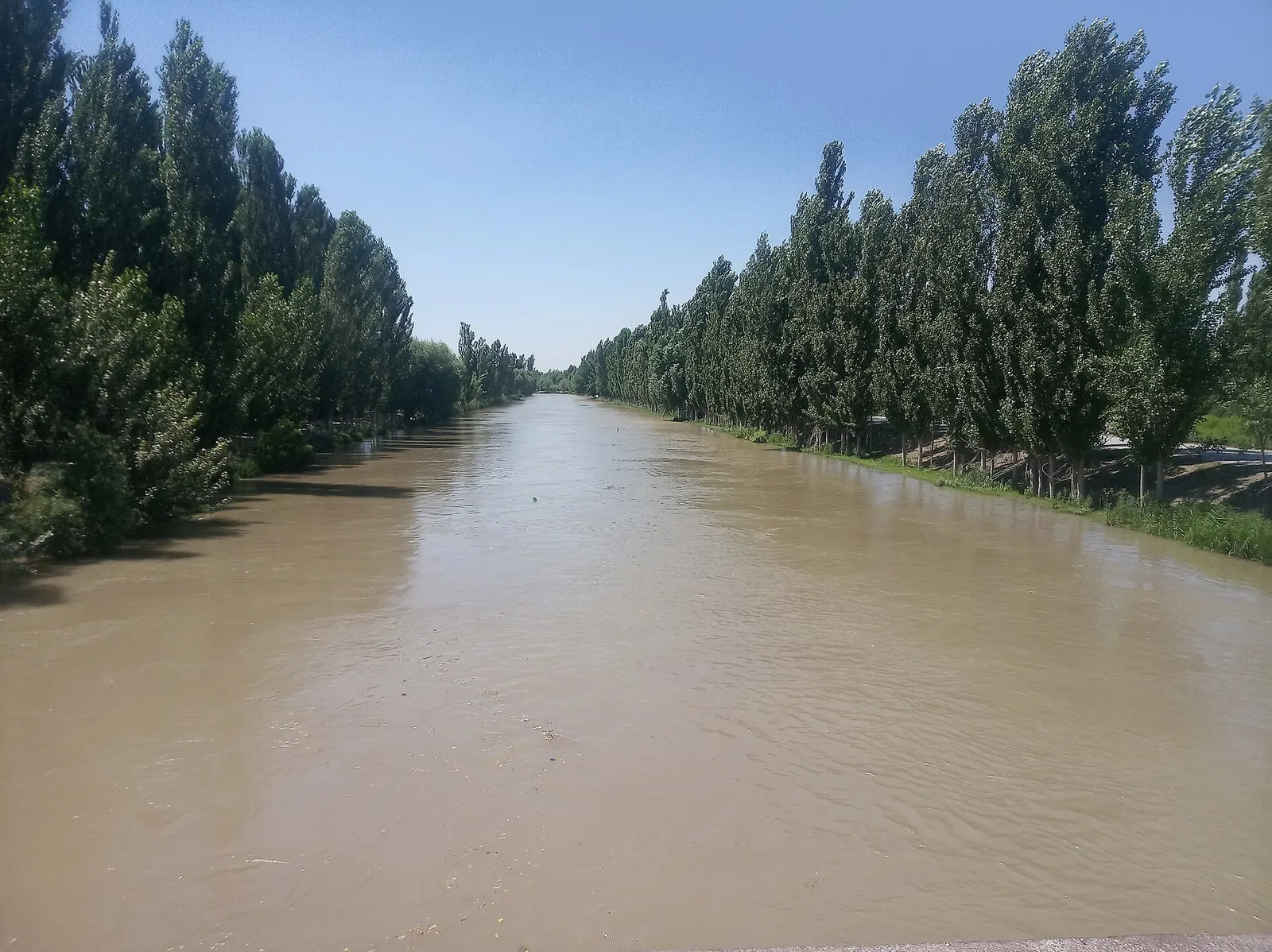
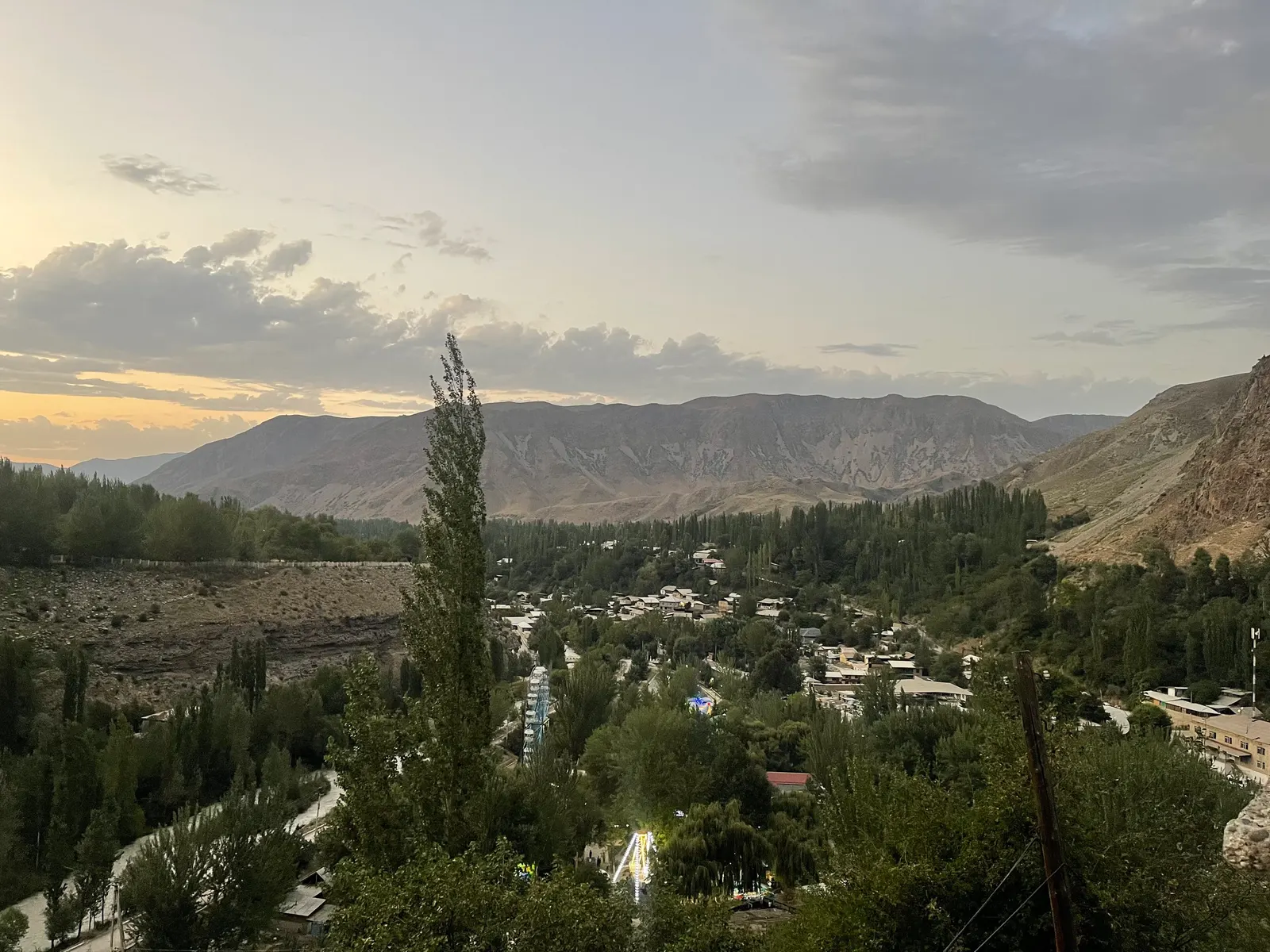
The climate is sharply continental: hot, dry summers and relatively mild winters. Rivers such as the Isfayramsoy, Shohimardonsoy and Sokh flow down from the Alay and Turkestan ranges and water the orchards.
Places to see
Must-see sights of the valley.
 Qoʻqon shaxar
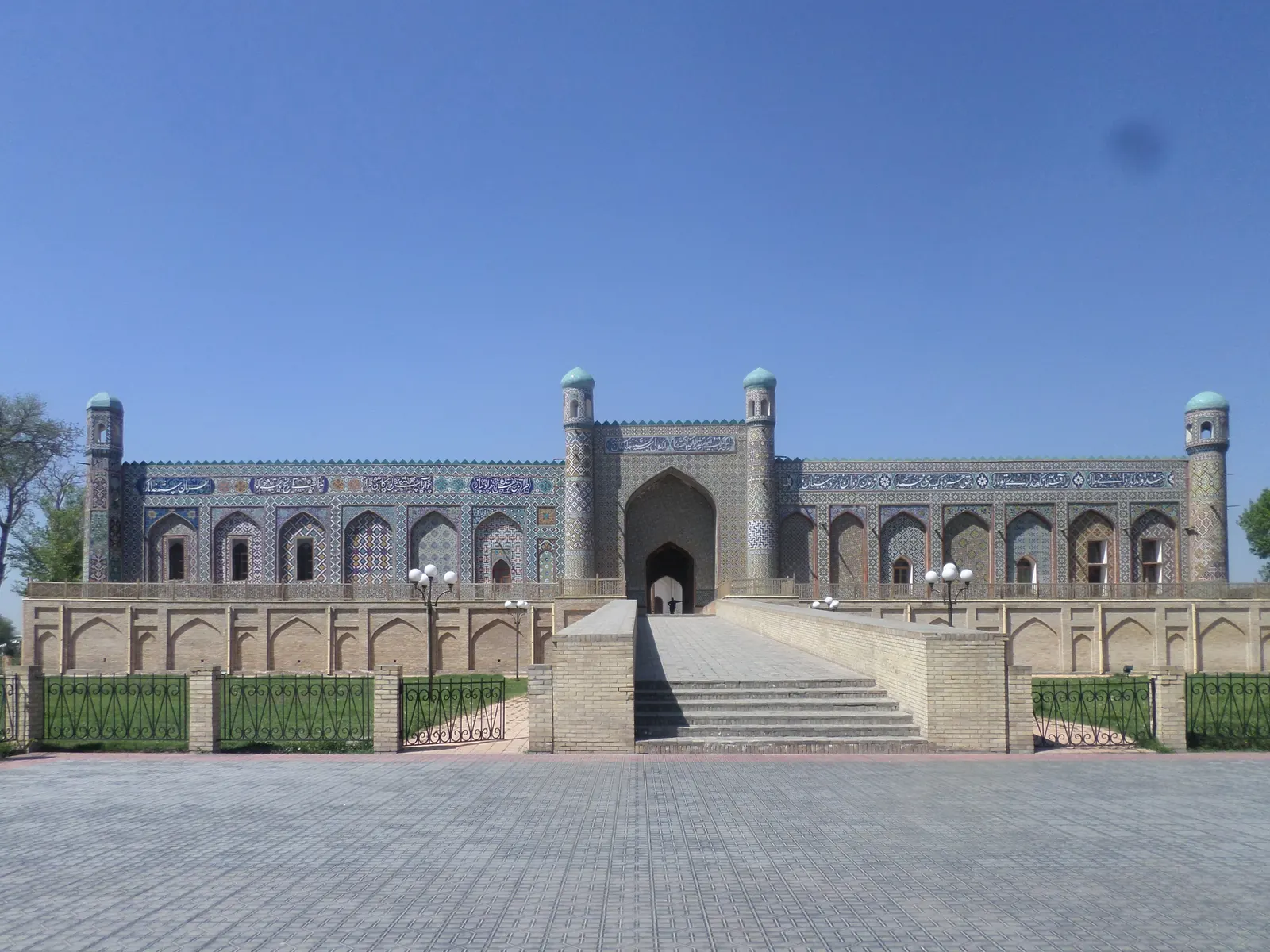
Palace of Khudayar Khan
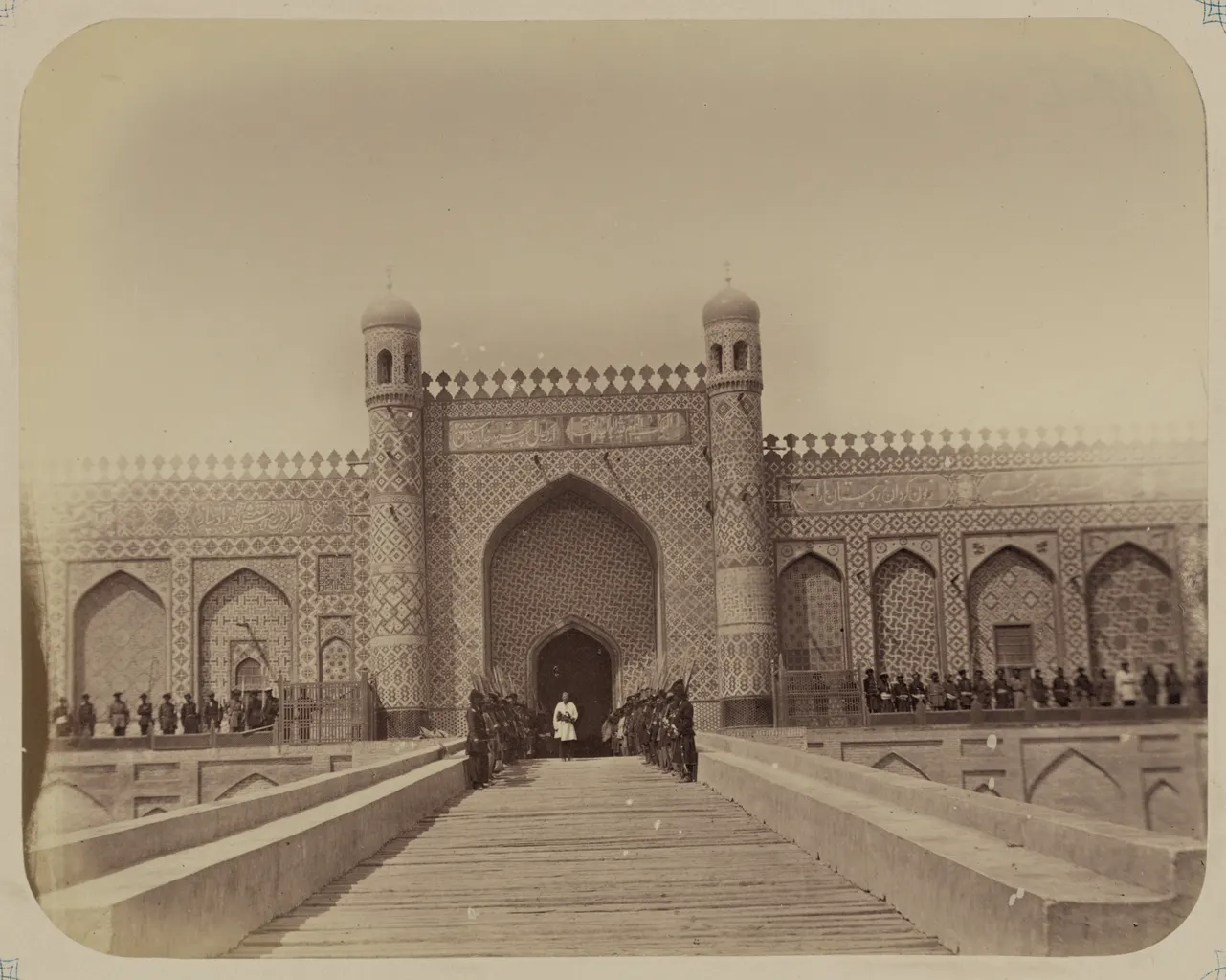
Built in 1871, a symbol of the Kokand Khanate’s power. Today it houses the regional history museum.
 Qoʻqon shaxar
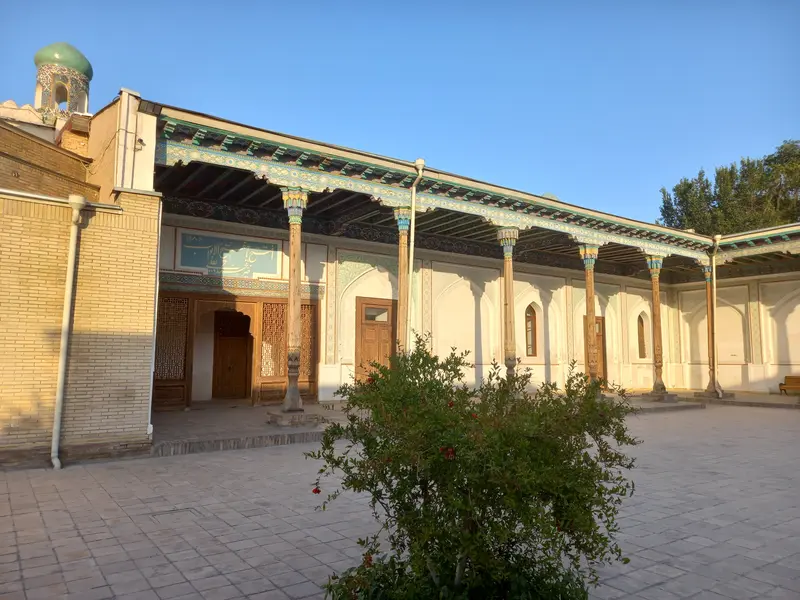
Jome Mosque
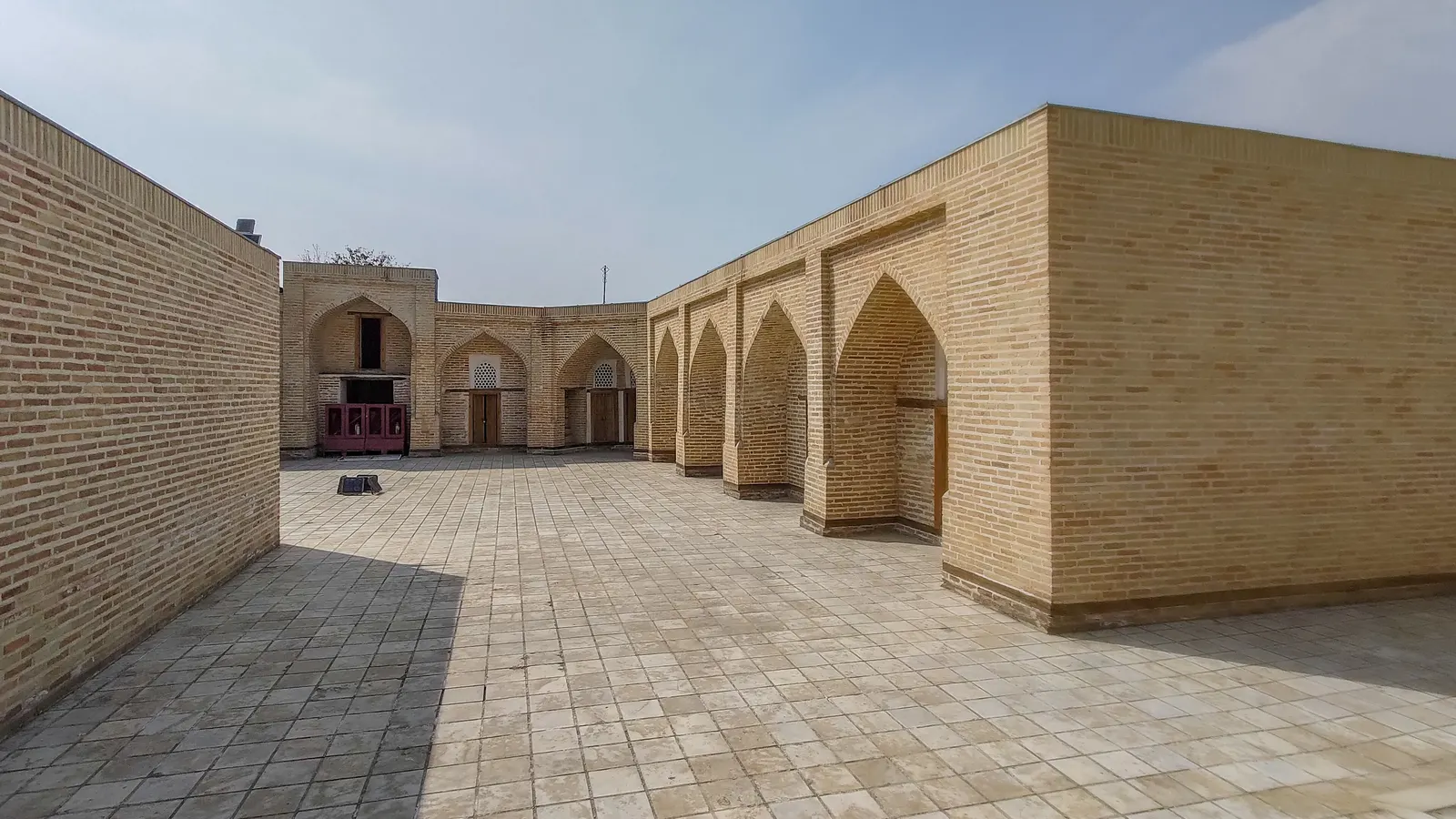
An early 19th-century complex of Umar Khan’s time: mosque, madrasa and minaret, famous for its wide wooden-columned ayvan.
 Qoʻqon shaxar
Daxma-i-Shaxon Mausoleum
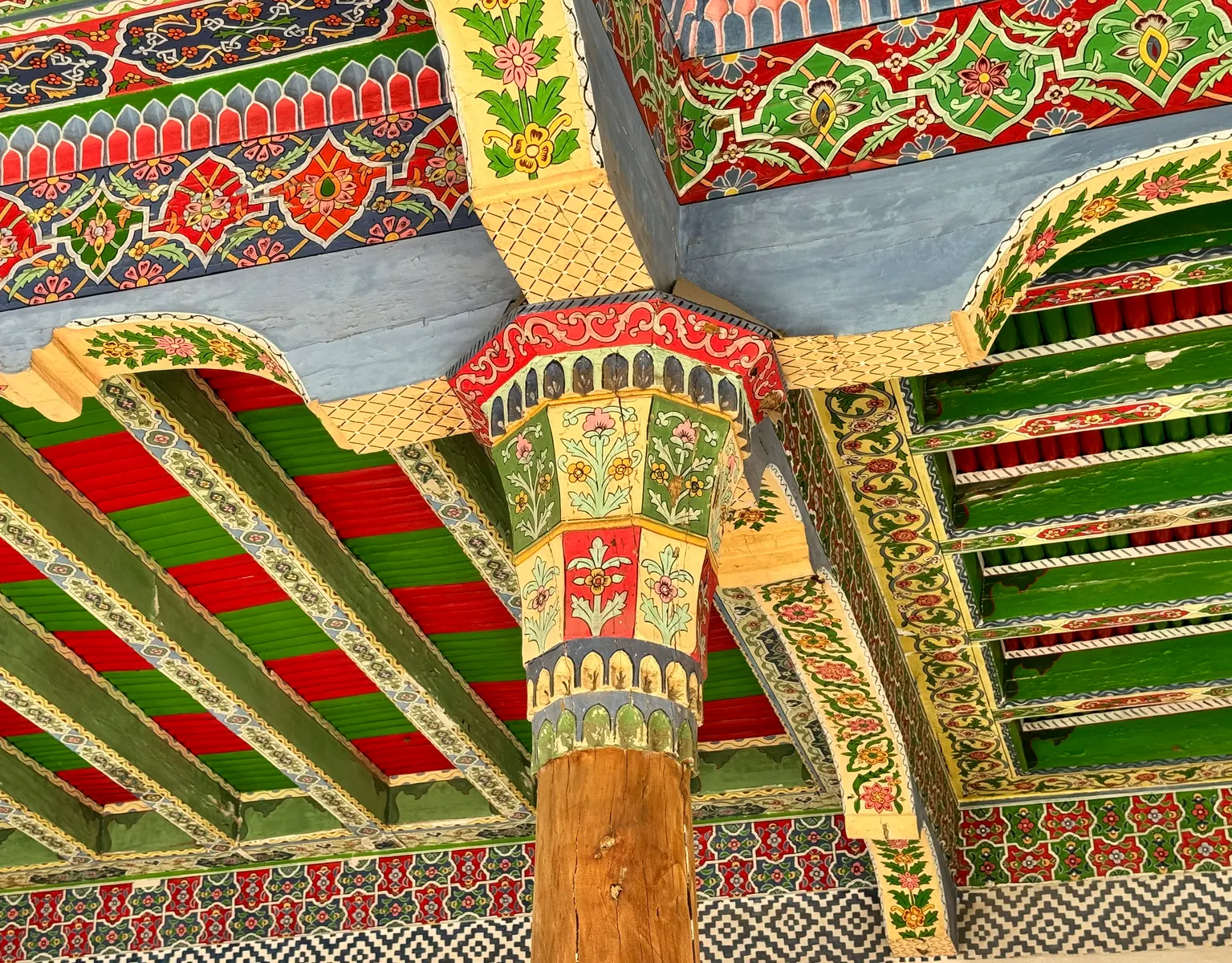
Family mausoleum of the Kokand khans (1825). Its carved, painted ayvan is a gem of folk architecture.
 Margʻilon shaxar
Yodgorlik Silk Factory
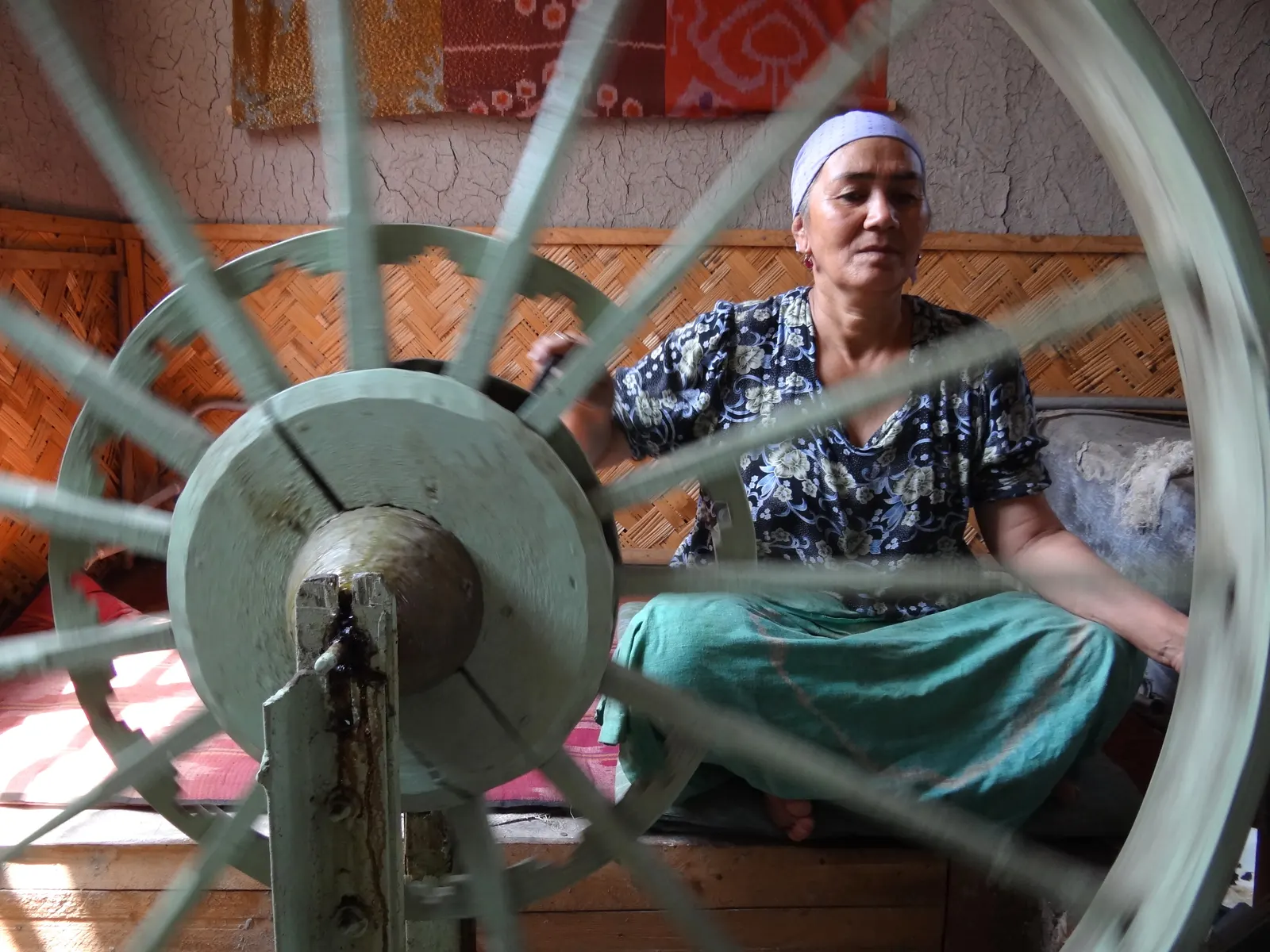
Since 1983 it has kept alive hand-woven atlas and adras: watch cocoons being reeled, threads dyed and silk woven.
 Rishton tumani
Rishton Ceramics
Pottery with deep blue and turquoise “ishqor” glaze. Watch potters at work and buy pieces in their workshops.
 Fargʻona tumani
Shohimardon and Kuli Kubbon
An exclave in the mountains: clean air, waterfalls and a blue lake more than 1,700 m above sea level.
 Fargʻona shaxar
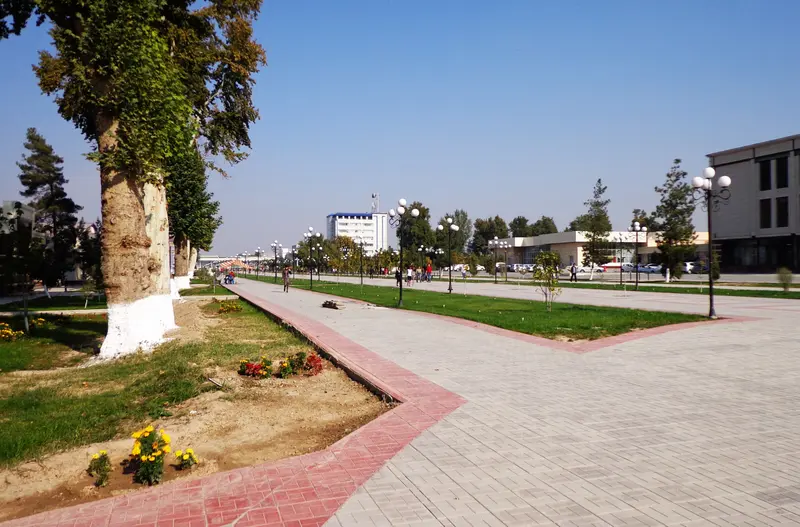
Fergana’s avenues
Wide streets, shady plane-tree alleys and Ahmad al-Farghani Park — the pride of the regional capital.
 Quva tumani
Buddhist temple of Quva
An archaeological site of the 7th–8th centuries — a rare place that preserves traces of Buddhism in the valley.
 Margʻilon shaxar
Pir Siddiq Mausoleum
A shrine dating from the 17th century: mausoleum, mosque, minaret and dovecote. Legend says pigeons hid the saint from his enemies — the courtyard is still full of them.
 Qoʻqon shaxar
Madari-Khan Mausoleum
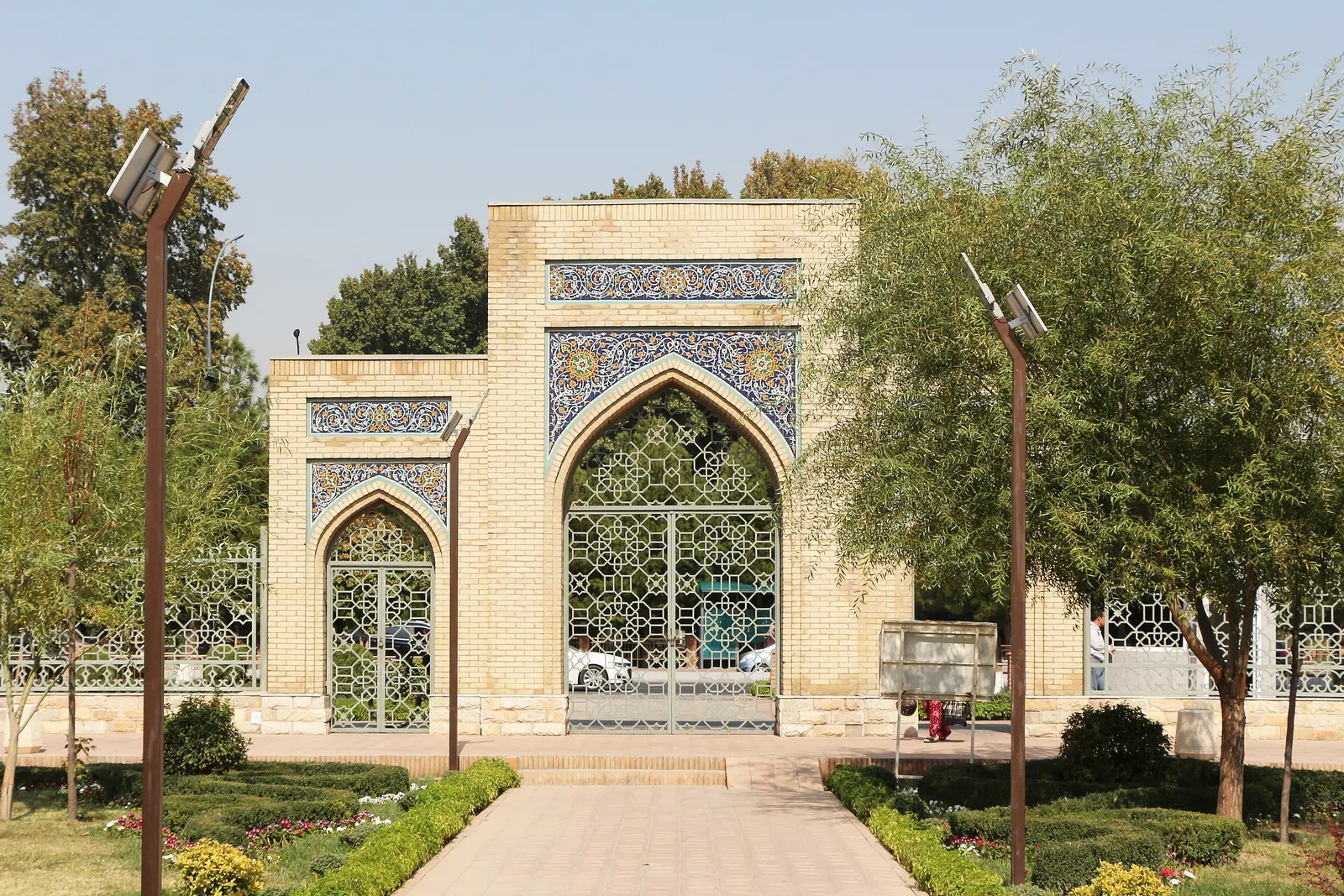
A mausoleum Nodira commissioned in 1825 in memory of her mother-in-law. Its tiled portal and turquoise dome are a refined example of Kokand architecture.
Pages of history
Over two thousand years of history: from Dayuan to the Kokand Khanate, from the Great Fergana Canal to a “World Crafts City”.
- Antiquity2nd c. BC
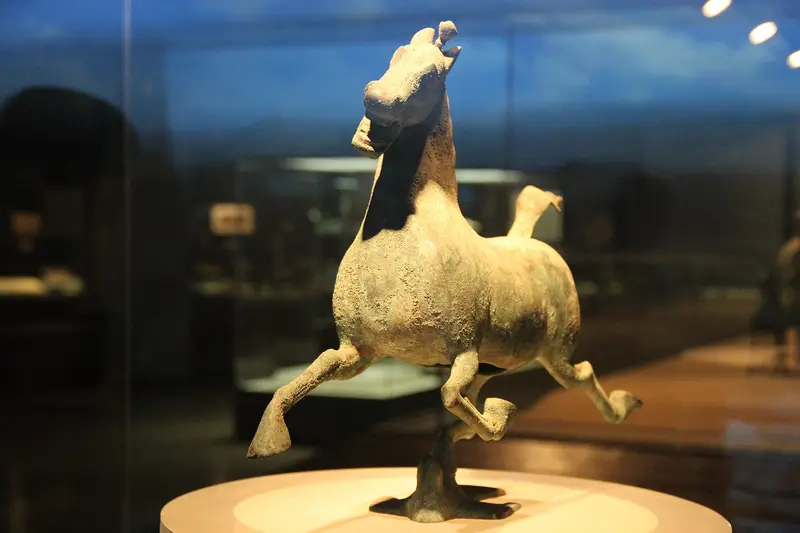
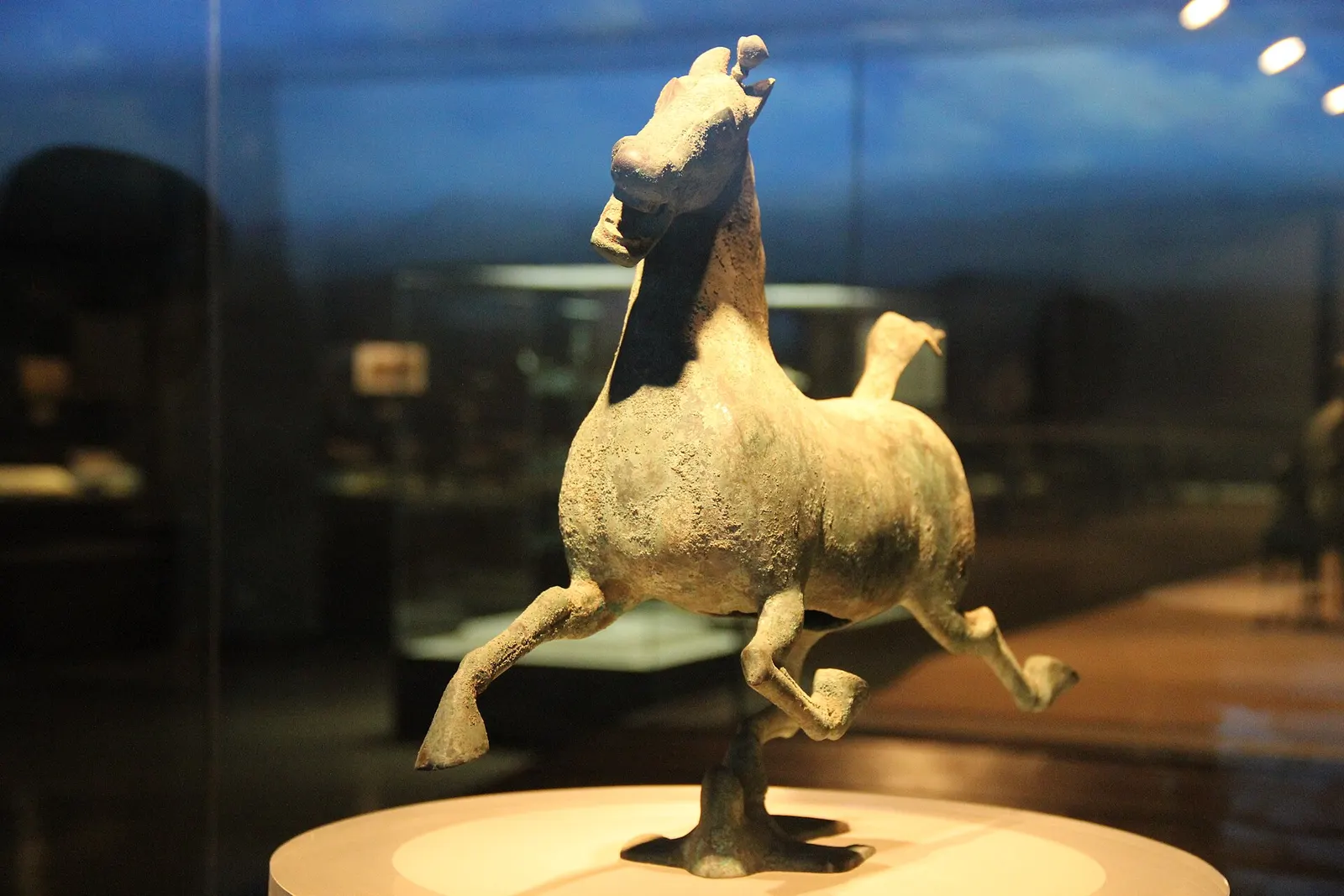
Dayuan and the “heavenly horses”
The state of Dayuan flourished in the valley. Chinese chronicles mention its 70+ cities and hardy “heavenly horses”; the Han empire campaigned for them in 104–101 BC.
70+ cities - 128 BC
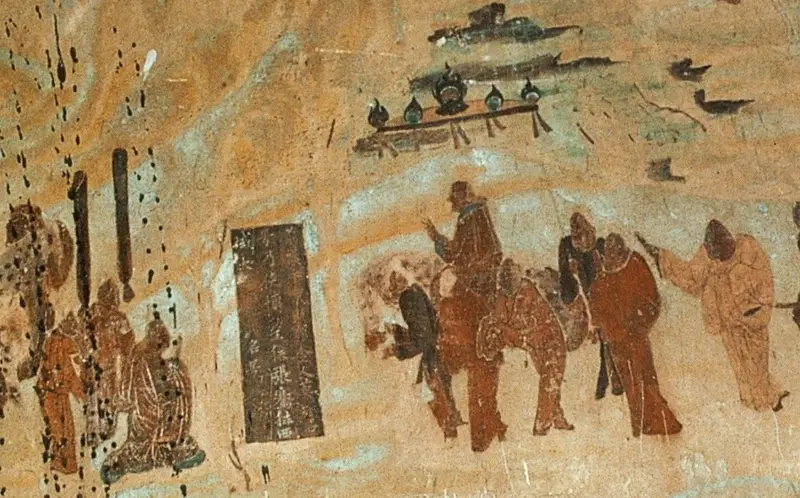
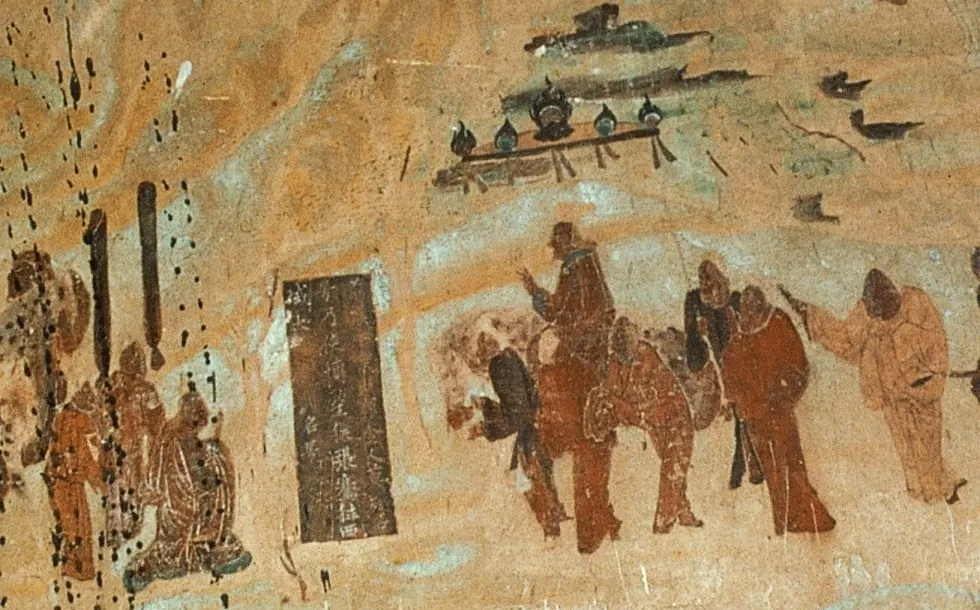
The mission of Zhang Qian
Chinese envoy Zhang Qian reached Dayuan. His journey opened the route linking East and West that would later be called the Great Silk Road.
- 7th–8th c.
Buddhist temple of Quva
Excavations in Quva revealed an early medieval Buddhist temple and a clay Buddha — different cultures lived side by side in the valley.
- Middle Ages797
Ahmad al-Farghani
Born in Quva, the astronomer and mathematician worked at Baghdad’s House of Wisdom. His astronomy book was read in Europe for centuries as “Alfraganus”.
- 861
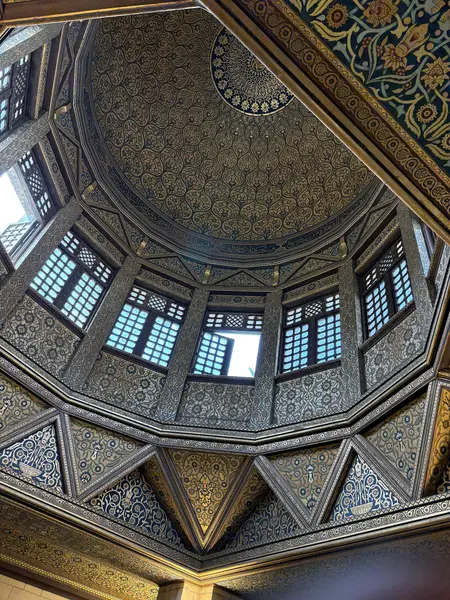
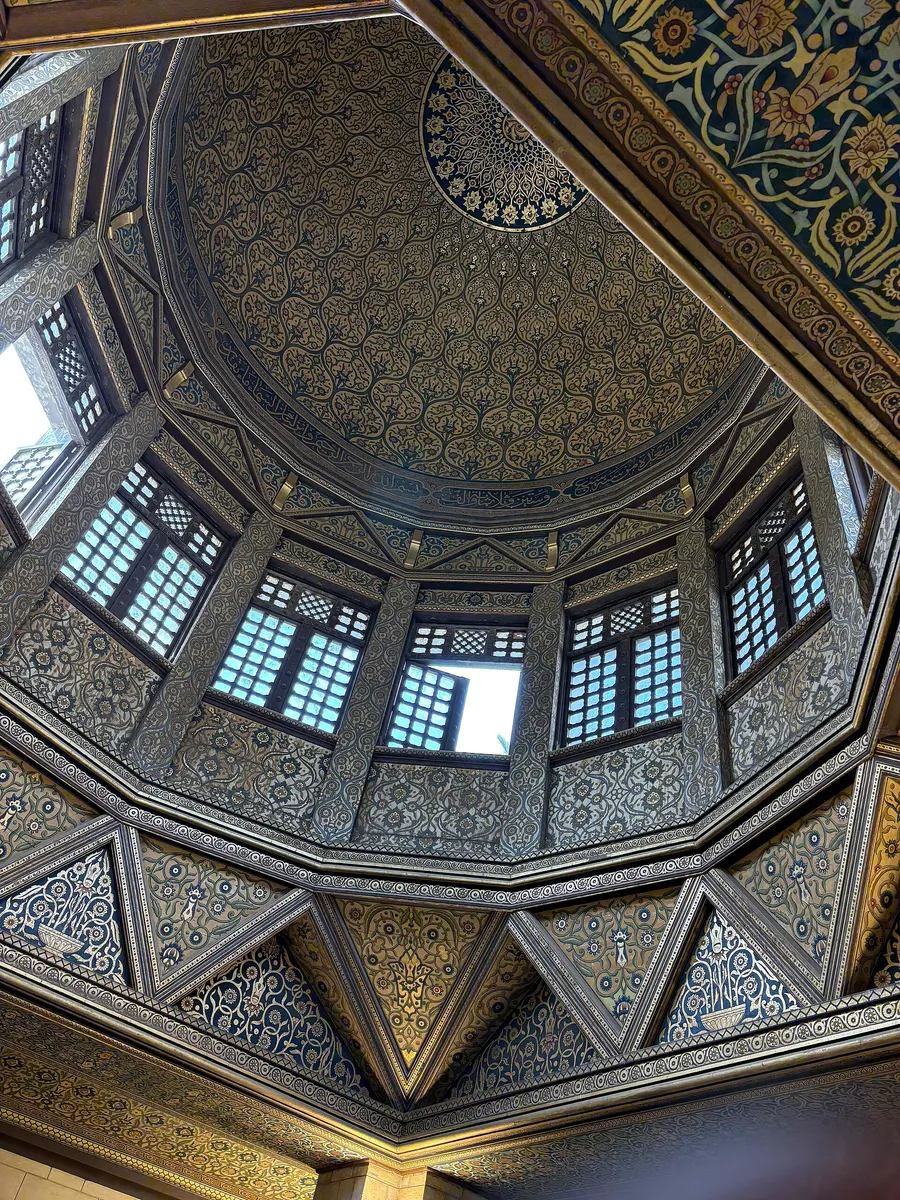
The Nile gauge
Al-Farghani supervised the building of the Nilometer on Roda Island in Cairo, a structure to measure the Nile’s level. It survives to this day.
- 1178
“Al-Hidaya”
Burhan al-Din al-Marghinani, born in Rishton and working in Margilan, completed “Al-Hidaya” — a key source of Islamic law for centuries.
- 1494
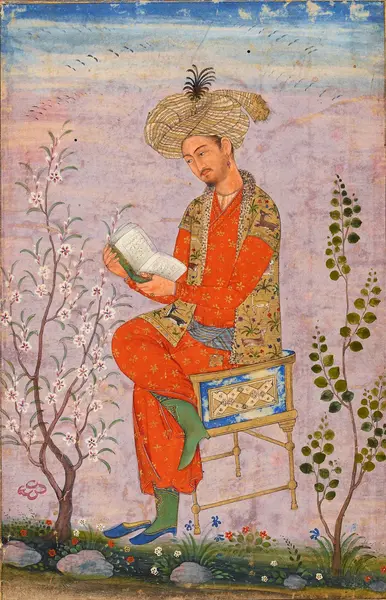
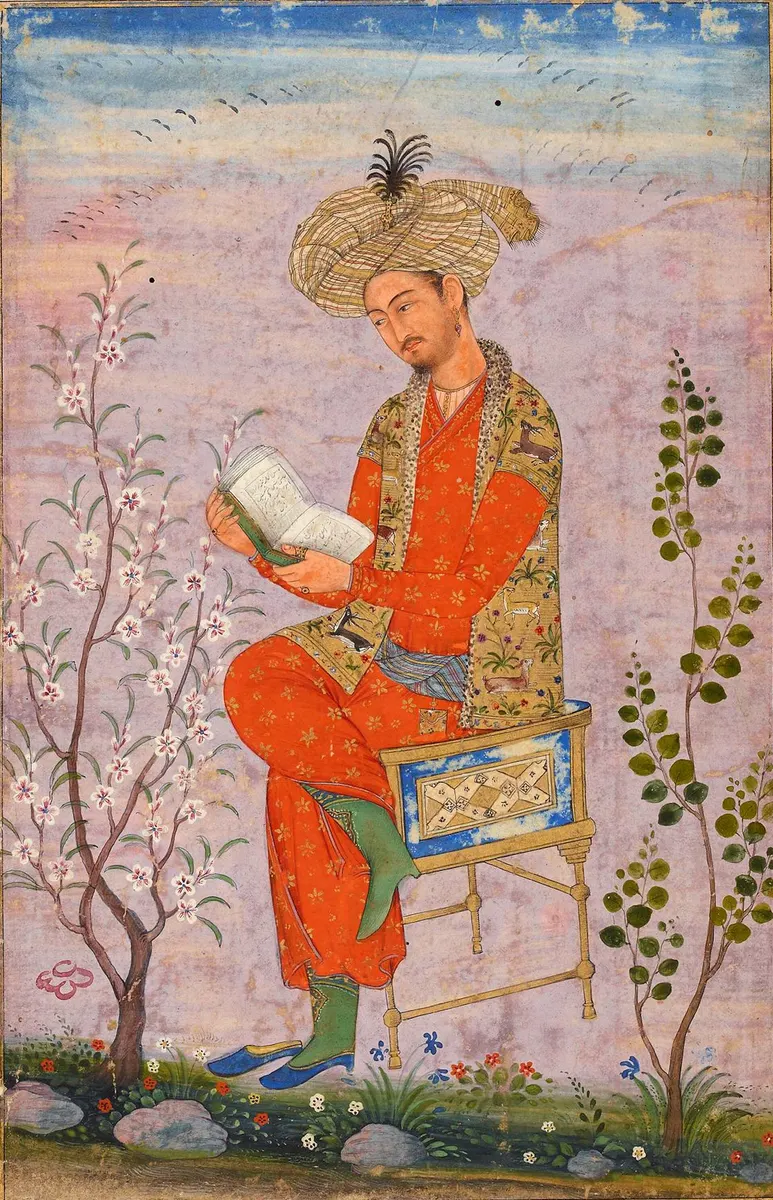
Babur, ruler of Fergana
Twelve-year-old Zahiriddin Muhammad Babur took the throne of Fergana. His “Baburnama” opens with a description of the Fergana country.
- Kokand Khanate1709
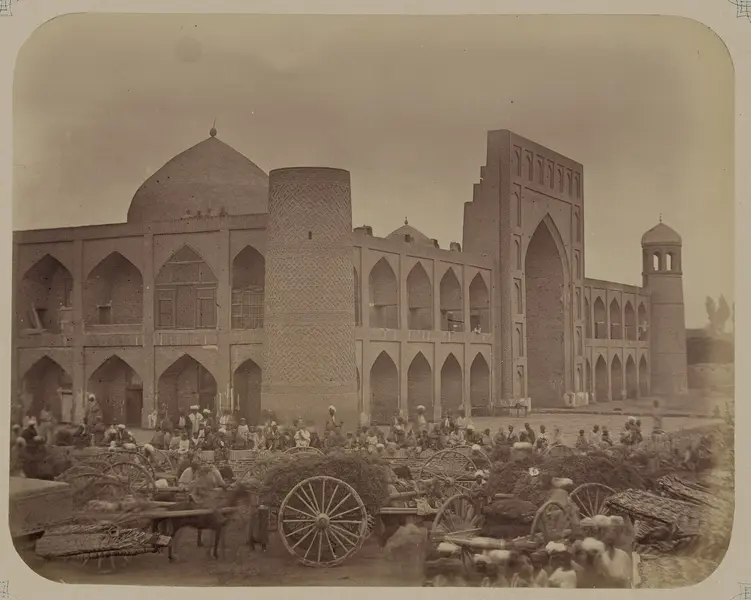
Kokand Khanate
Founded by Shahrukh Biy, the khanate lasted until 1876. Its capital Kokand became the political, trading and cultural centre of the valley.
1709–1876 - 18th–19th c.
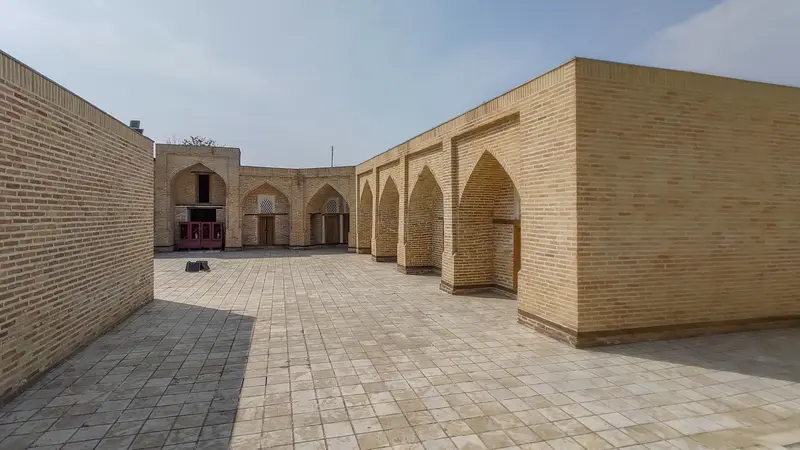
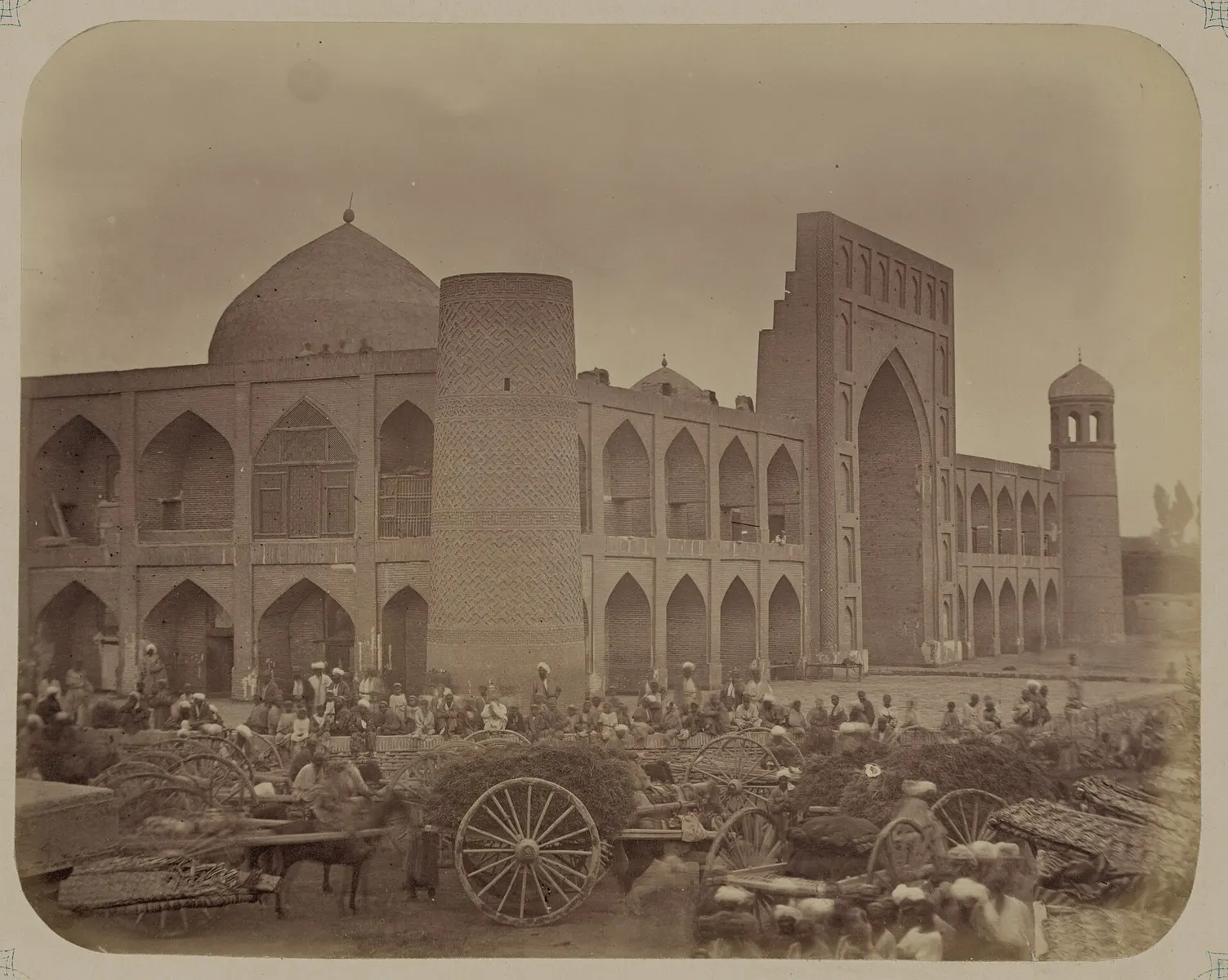
Madrasas of Kokand
The Norbutabiy, Madali Khan, Chalpak and other madrasas were built — Kokand became famous for learning and crafts.
- 1810–1822
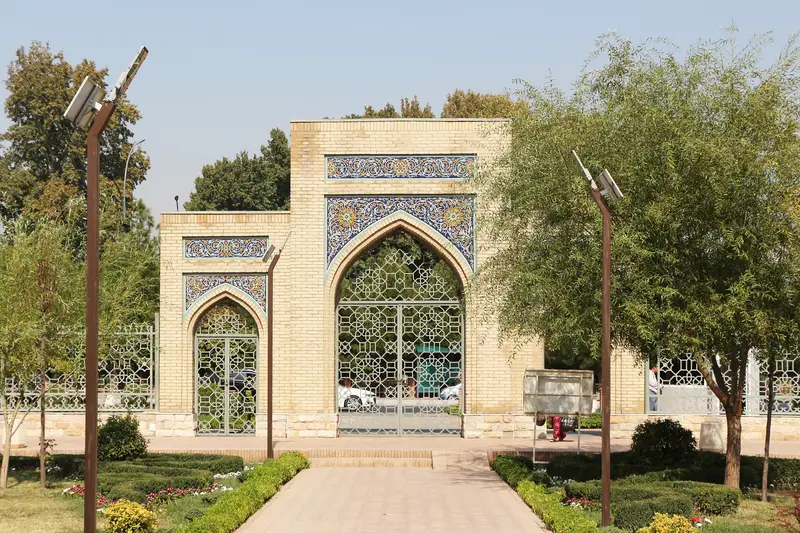
The age of Umar Khan and Nodira
Under Umar Khan and the poet Nodira, literature flourished in Kokand; the Jome Mosque complex rose in the city centre.
- 1825
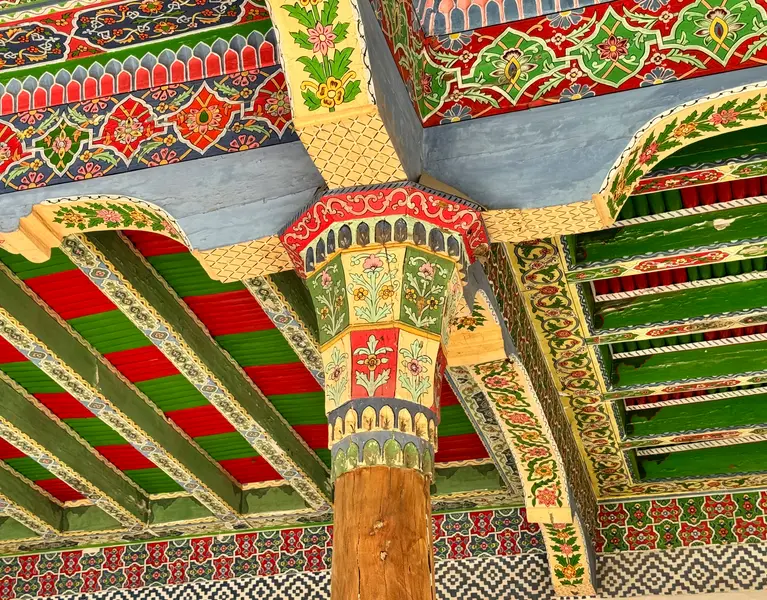
Dahmai Shohon
The family mausoleum of the Kokand khans was built. Its carved, painted ayvan is a gem of folk architecture.
- 1871
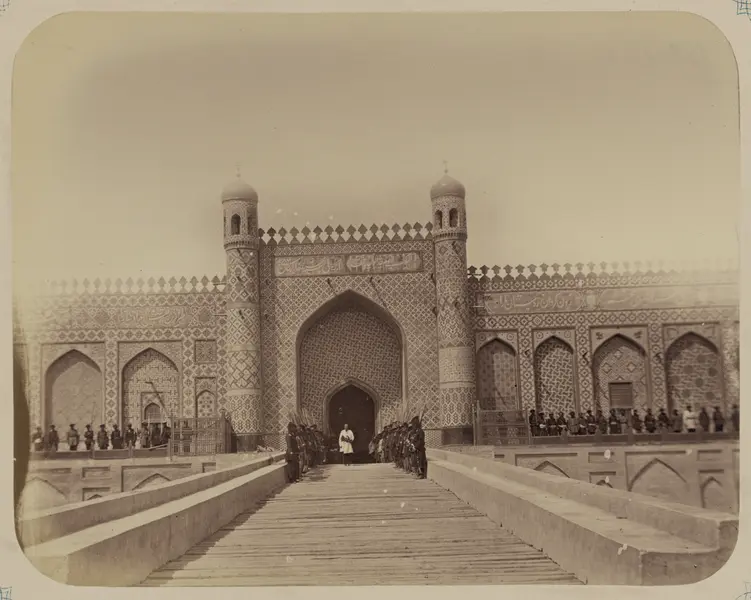
Khudoyar Khan Palace
The palace of the last ruler, Khudoyar Khan, was built. Today it houses the regional history museum.
- 20th century1876
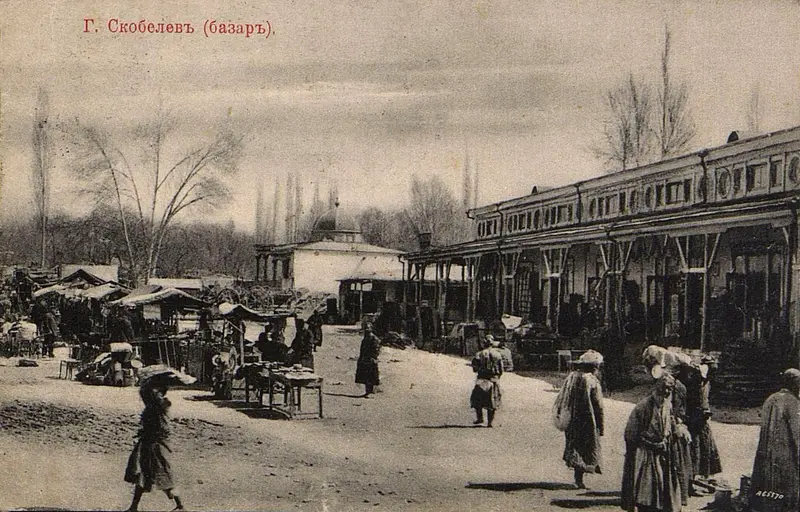
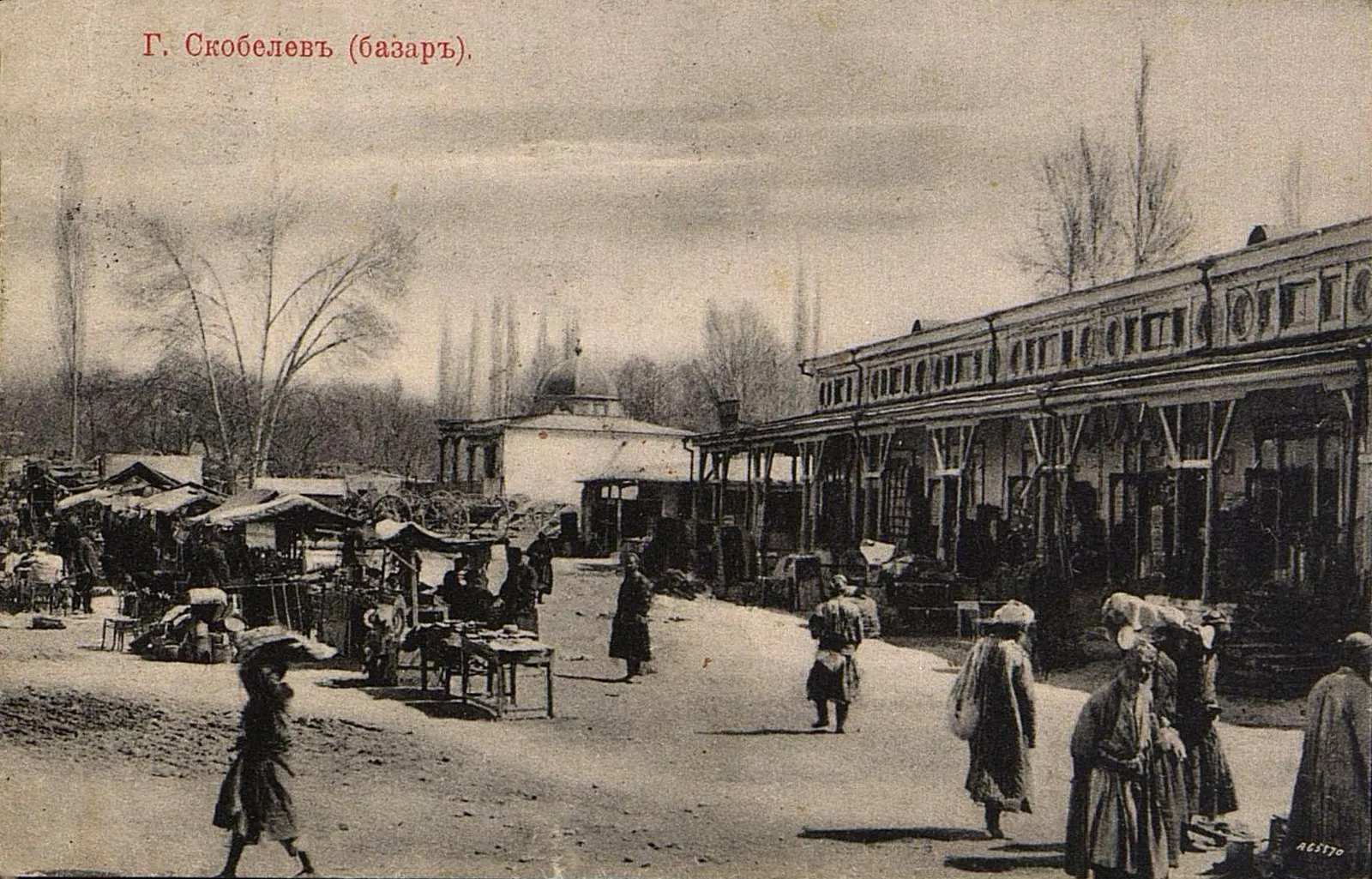
Fergana city founded
The Kokand Khanate was abolished, Fergana Oblast was formed and “New Margelan” began to rise; it became Skobelev in 1907 and Fergana in 1924.
- Early 20th c.
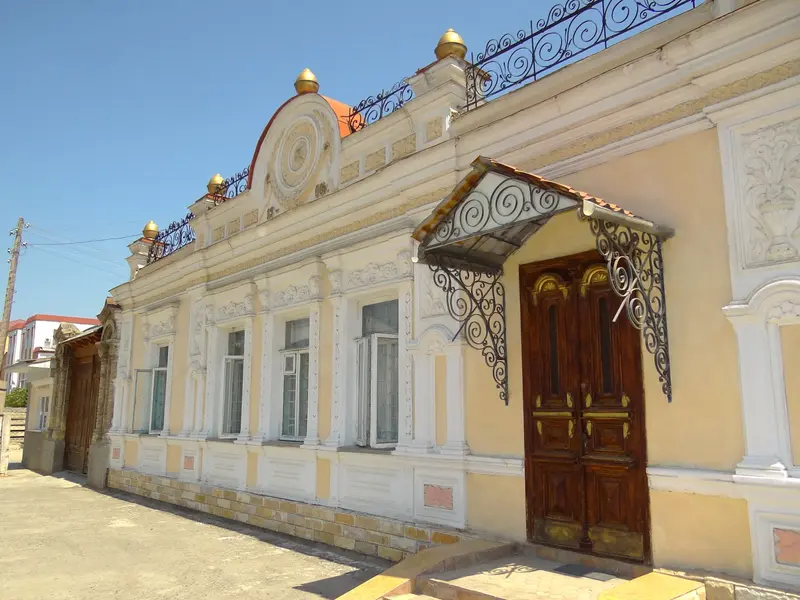
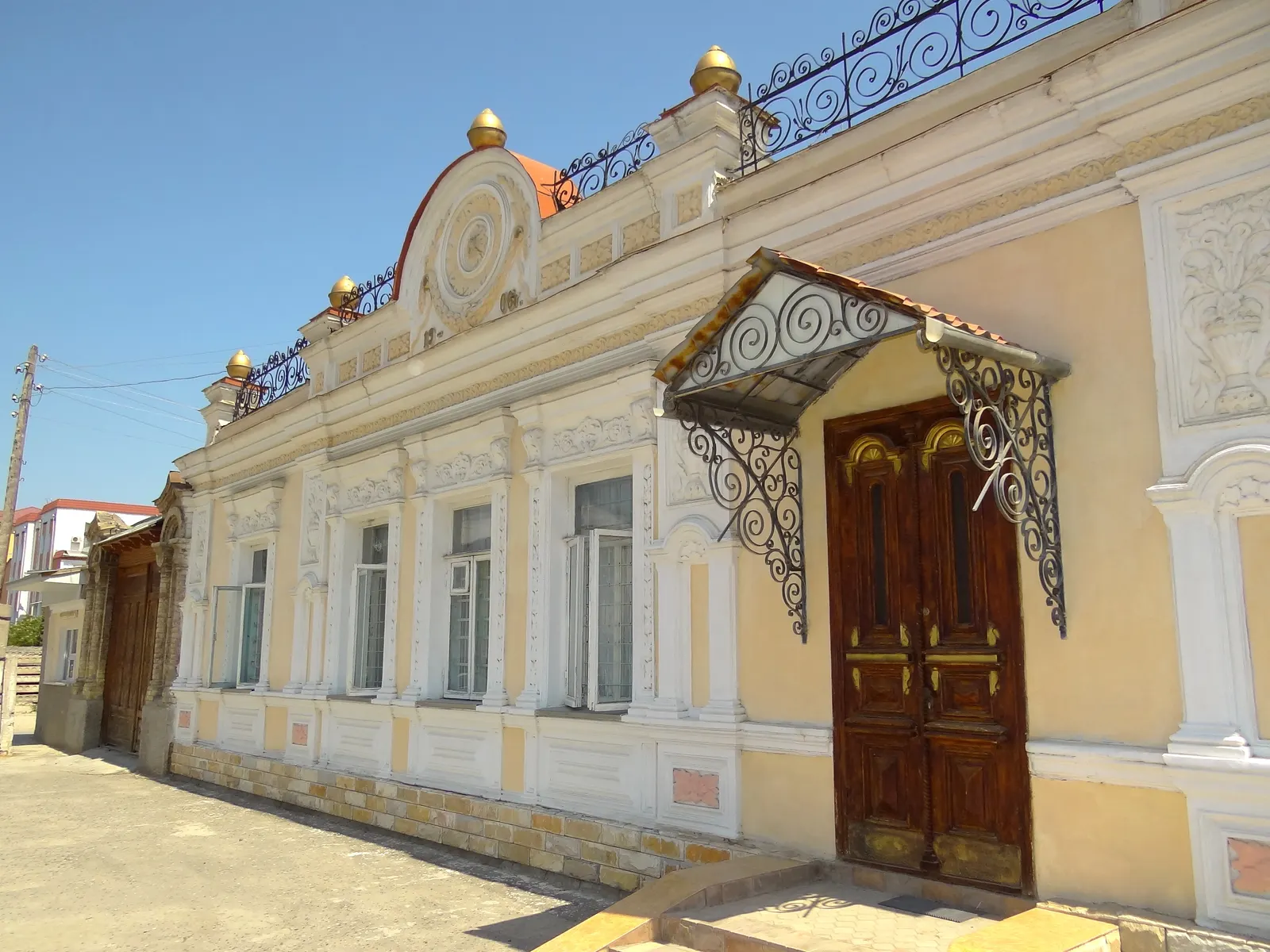
A new city takes shape
Wide streets, avenues and brick buildings formed the historic core of today’s city.
- 1938
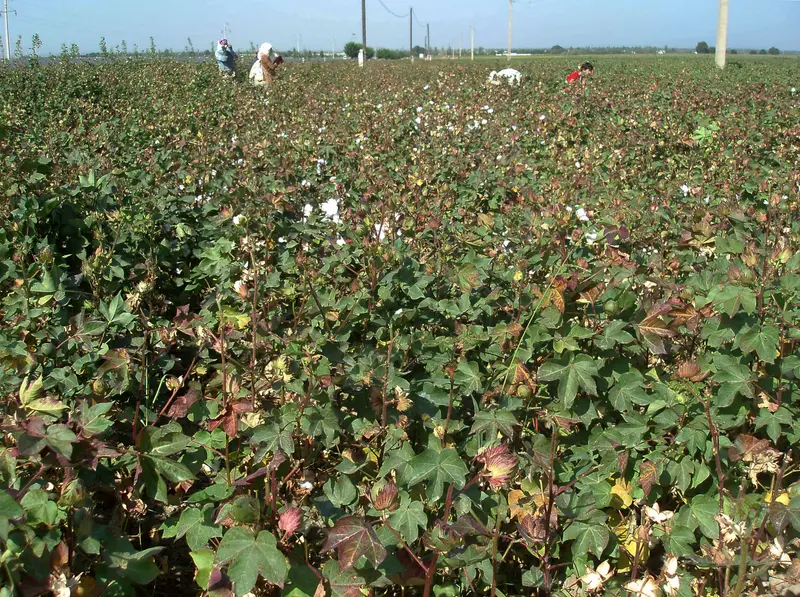
The region is formed
Fergana Region was established on 15 January; its administrative centre is the city of Fergana.
15 January - 1939
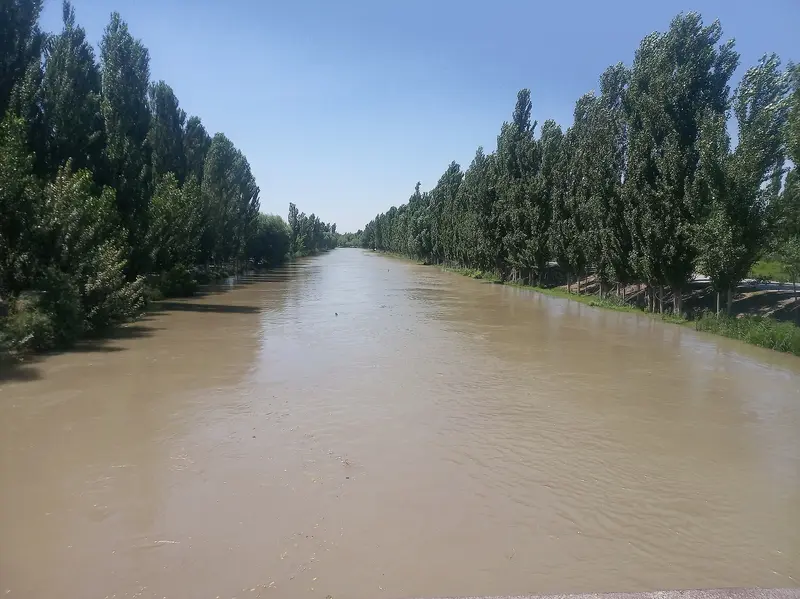
The Great Fergana Canal
160,000 people dug the 270-km canal in 45 days through collective labour (hashar). It still waters the valley’s fields today.
270 km · 45 days - 1983
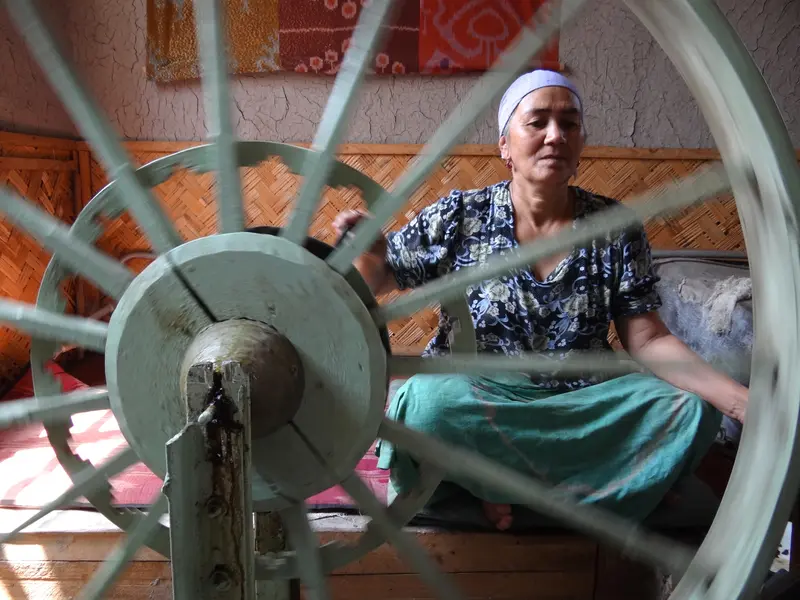
Yodgorlik factory
A factory opened in Margilan to preserve hand-woven atlas and adras — today a living museum of the Silk Road.
- Independence2007
Margilan turns 2000
Margilan’s 2,000th anniversary was celebrated on 7 September.
2,000 years - 2019
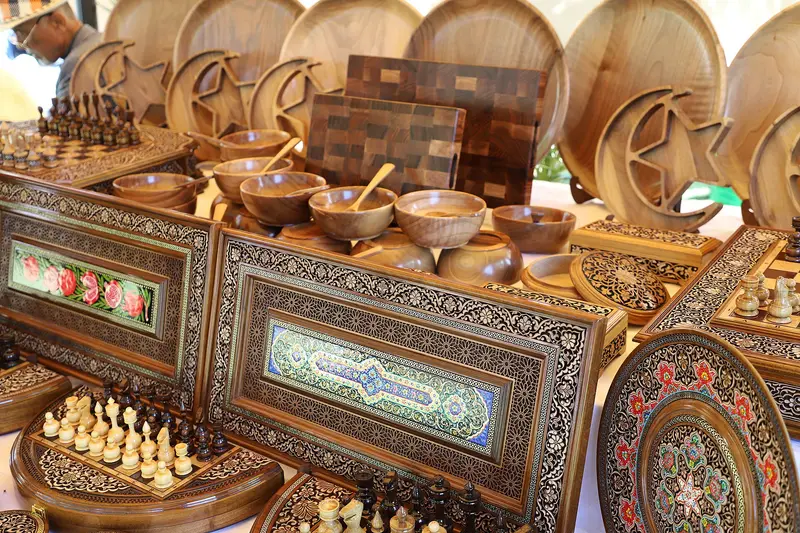
Kokand, World Crafts City
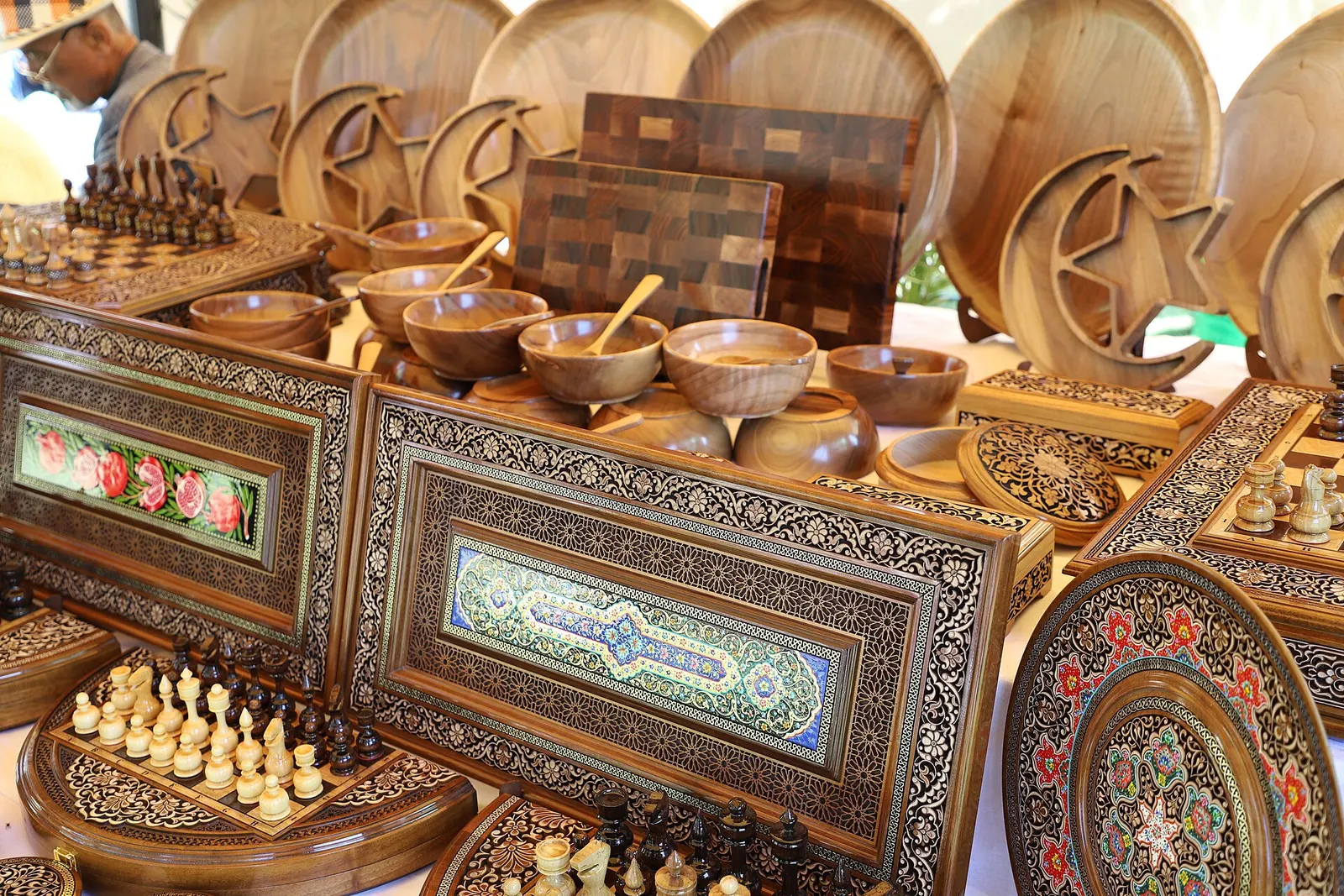
The first International Handicrafters Festival was held in Kokand on 14 September; the city became a “World Crafts City” for woodcarving.
1,000+ artisans
Crafts and economy
A land of both industry and ancient crafts.
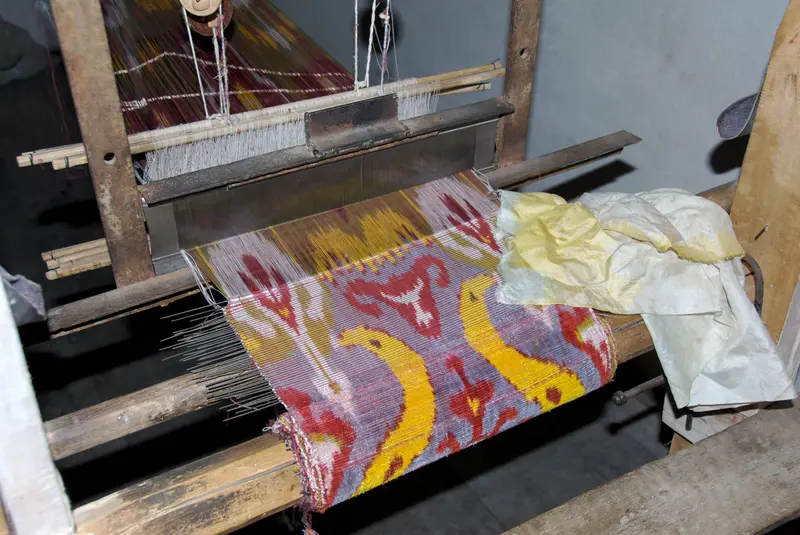
Margilan silk
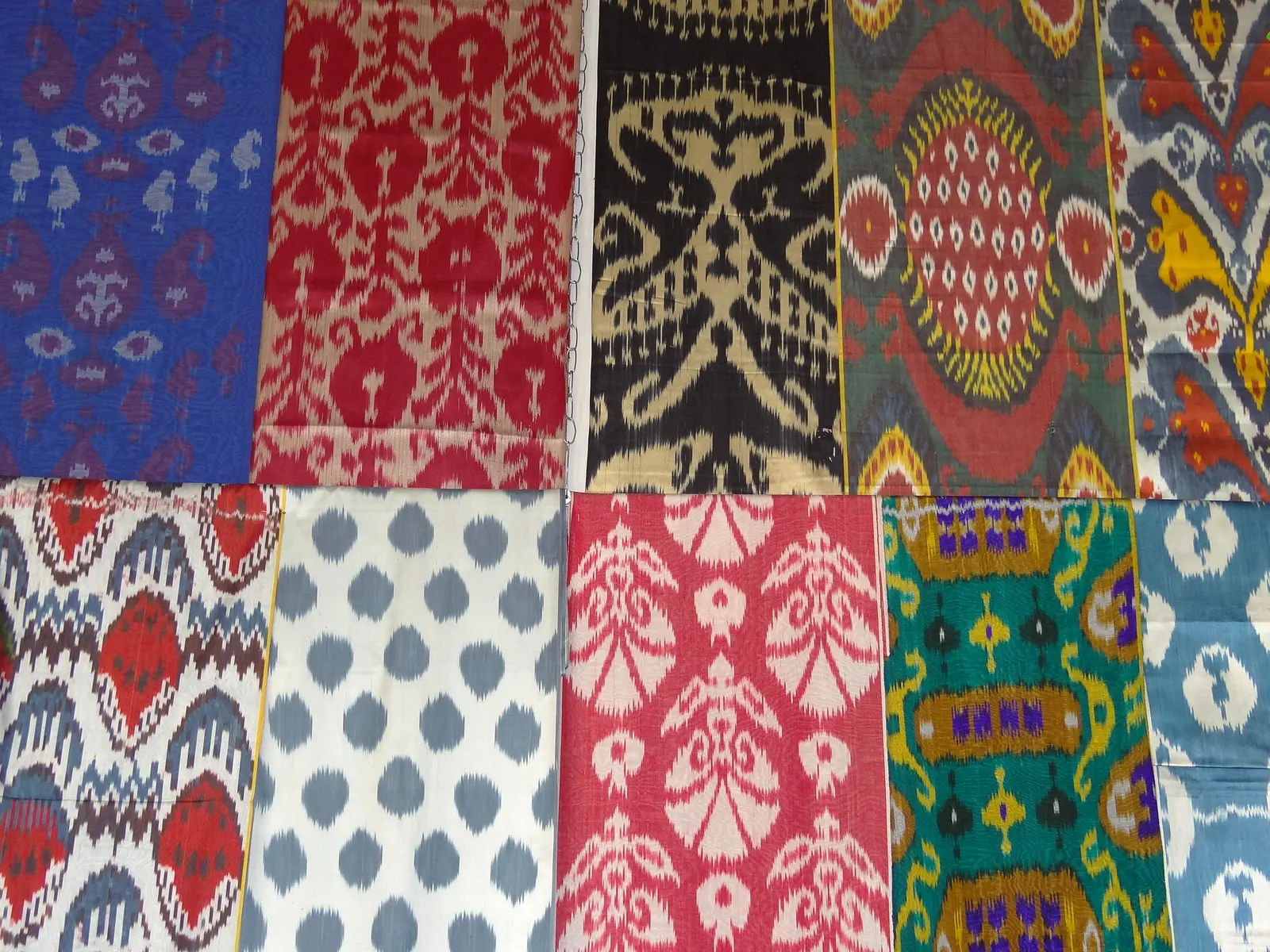
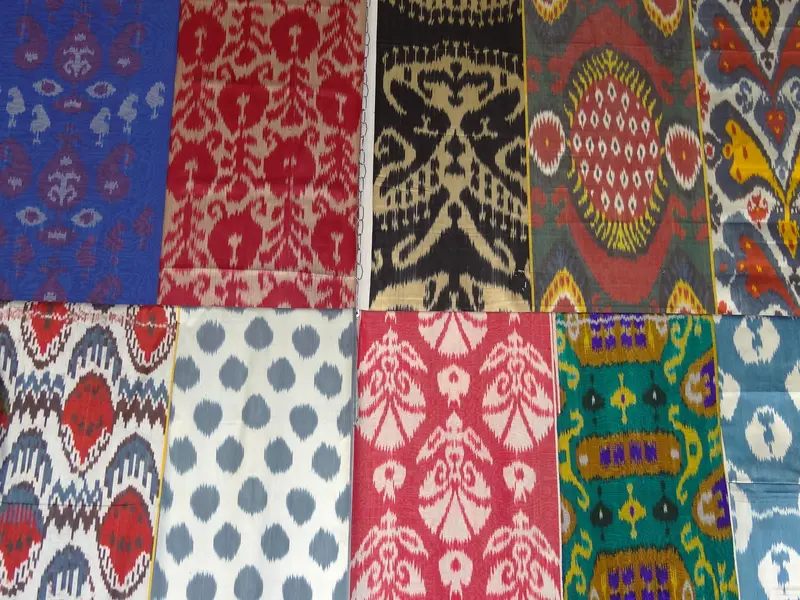
Margilan is the capital of Uzbek silk. Atlas and adras fabrics are hand-woven using the abrband (ikat) technique.
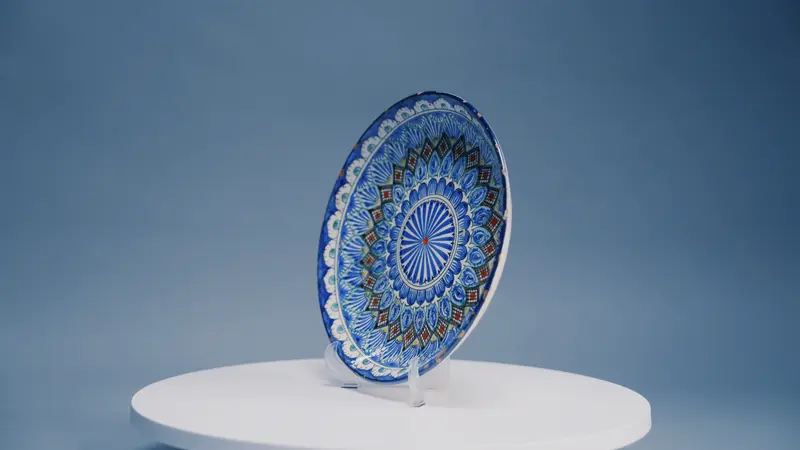
Rishton pottery
Blue-glazed plates and bowls made from local clay and natural pigments are known worldwide.
Industry and farming
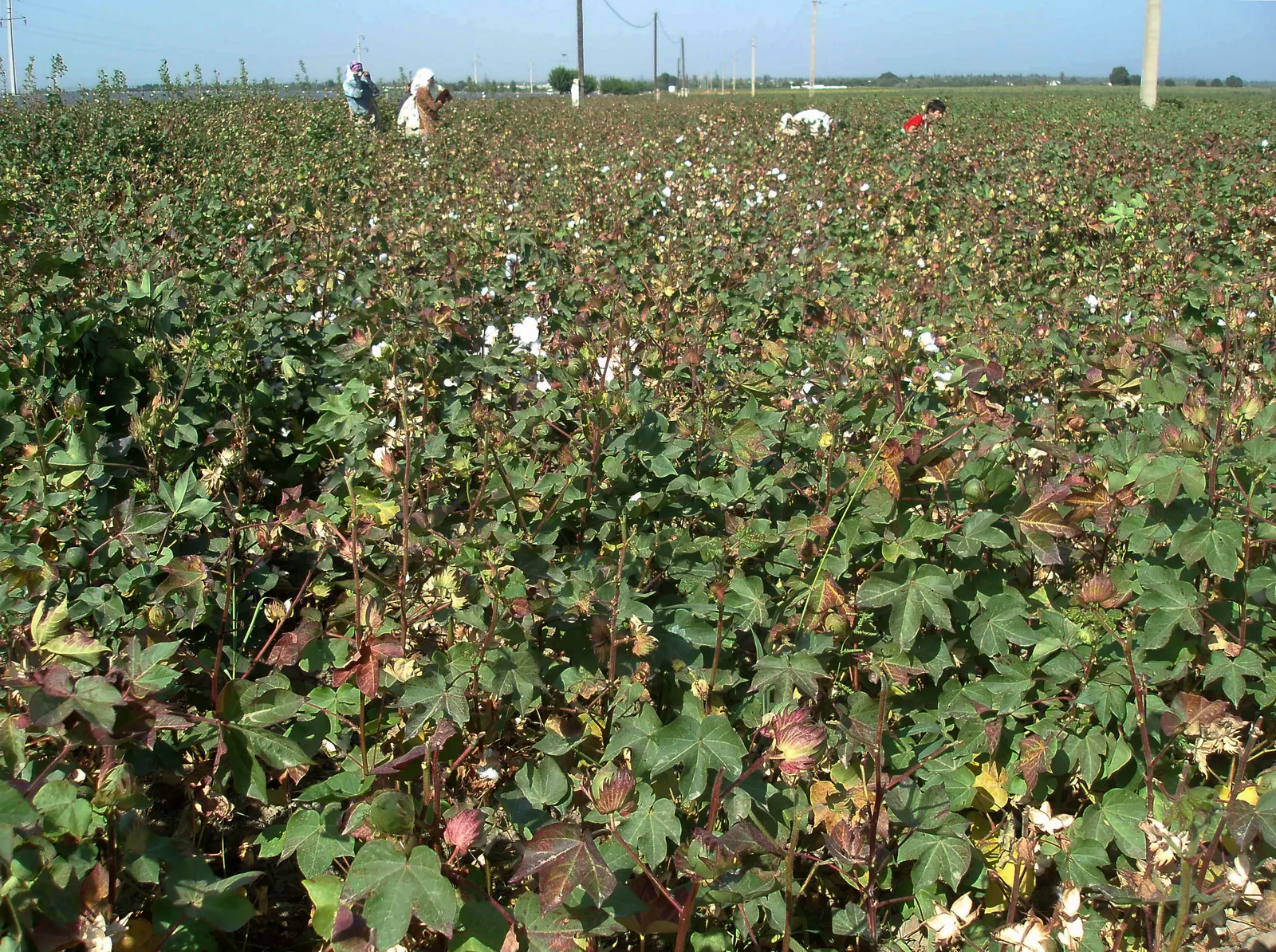
Oil refining, chemicals, textiles and light industry; cotton, grain, orchards and vineyards. Quva pomegranates and Oltiariq grapes are famous.
Nature and leisure
The foothills of the Alay and Turkestan ranges begin in the south of the region. In summer the mountain villages of Shohimardon and Sokh become cool retreats.
- Mountain rivers and waterfalls
- Blue Lake (Kuli Kubbon)
- Orchards and vineyards
- Health camps
Cities and districts
Places and services in every part of the region.
- CityFargʻona shaxar554 places
- CityMargʻilon shaxar208 places
- CityQoʻqon shaxar311 places
- CityQuvasoy shaxar69 places
- DistrictBagʻdod tumani104 places
- DistrictBeshariq tumani93 places
- DistrictBuvayda tumani106 places
- DistrictDangʻara tumani89 places
- DistrictFargʻona tumani135 places
- DistrictFurqat tumani56 places
- DistrictOʻzbekiston tumani98 places
- DistrictOltiariq tumani128 places
- DistrictQoʻshtepa tumani100 places
- DistrictQuva tumani122 places
- DistrictRishton tumani134 places
- DistrictSoʻx tumani135 places
- DistrictToshloq tumani82 places
- DistrictUchkoʻprik tumani130 places
- DistrictYozyovon tumani63 places
Sons and daughters of the valley
The Fergana land raised world-famous scholars and poets.
- Ahmad al-Farghani9th century
Astronomer and mathematician born in Quva; “Alfraganus” in Europe.
- Burhan al-Din al-Marghinani1123–1197
Author of “Al-Hidaya”, a great jurist.
- Uvaysiy1779–1845
Poet from Margilan, a leading voice of Kokand’s literary circle and mentor of poets.
- Nodira1792–1842
Poet and patron of Kokand’s literary circle.
- Muqimiy1850–1903
Kokand poet, master of satire and lyrics.
- Furqat1859–1909
Kokand poet and enlightener.
- Hamza Hakimzoda Niyoziy1889–1929
Kokand poet, playwright and composer.
- Abdulla Qahhor1907–1968
Born in Kokand, a classic of 20th-century Uzbek prose.
- Mukarrama Turgunbaeva1913–1978
Born in Fergana; dancer and founder of Uzbek stage dance, People’s Artist of the USSR.
- Erkin Vohidov1936–2016
Born in Oltiariq, People’s Poet and Hero of Uzbekistan.
Most viewed places
From schools and hospitals to teahouses and museums — a directory of every place in the region.
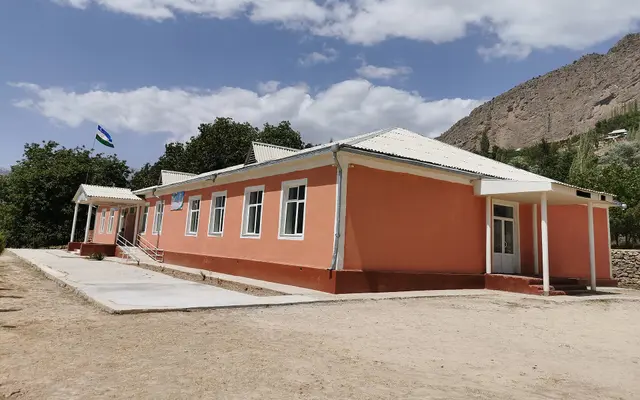 Illustrative photo EducationSchool No. 28, Fergana City
 Illustrative photo HealthMother and child care center
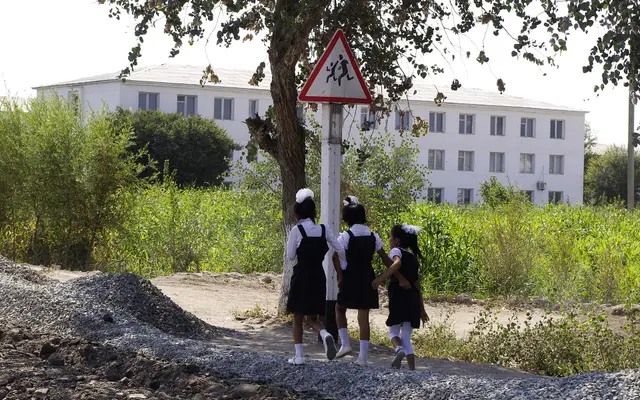 Illustrative photo EducationSchool No. 32
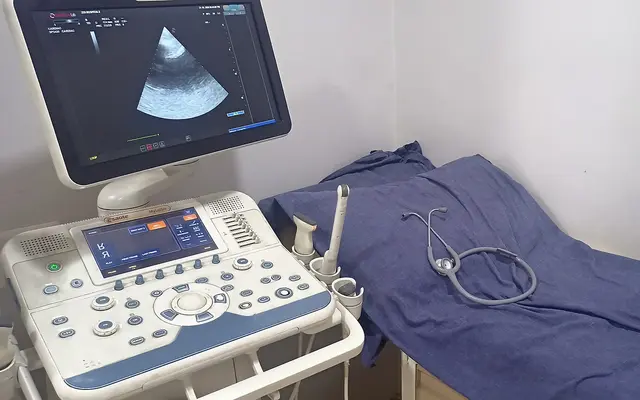 Illustrative photo HealthRegional Maternity HospitalIllustrative photo Education"Ideal plus" School
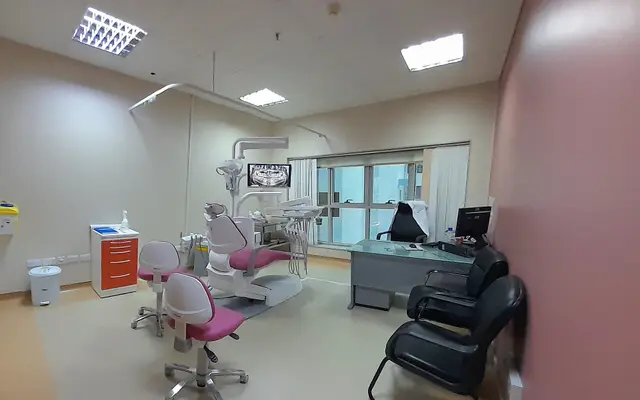 Illustrative photo HealthDentistryIllustrative photo HealthCity HospitalIllustrative photo HealthChildren's Hospital
Useful numbers
Is your business listed?
Own a teahouse, restaurant, hotel or service point? Verify your place to get online booking, a customer base and advertising tools.
- Online booking and queues
- Customer base (CRM) and analytics
- Featured listings and ads
- “Verified business” badge
Photos
Photos from Wikimedia Commons are used under free licences with the authors credited.
- kokand-palace — Bobyrr, CC BY-SA 4.0
- kokand-palace-yard — Jamshid Nurkulov, CC BY-SA 4.0
- kokand-jome — Bgag, CC0
- kokand-chalpak — Nikolai Bulykin, CC BY-SA 4.0
- dahmai-shohon — Jamshid Nurkulov, CC BY-SA 4.0
- fergana-alley — Multik2014, CC BY-SA 3.0
- fergana-1906 — Adam Jones from Kelowna, BC, Canada, CC BY-SA 2.0
- fergana-old-bazaar — А.Н. Мишина, Public domain
- margilan-ikat — Dave Proffer, CC BY 2.0
- margilan-silk — Adam Jones from Kelowna, BC, Canada, CC BY-SA 2.0
- margilan-spinning — Adam Jones from Kelowna, BC, Canada, CC BY-SA 2.0
- rishton-pottery — Xasanboy off, CC BY-SA 4.0
- rishton-plate — AIDEPCUL, CC BY 4.0
- shohimardon — Diwikiped, CC0
- cotton — → «« Man77 »» [de]·[bar], CC BY-SA 3.0
- h-han-horse — Gary Todd from Xinzheng, China, CC0
- h-zhang-qian — Unknown authorUnknown author, Public domain
- h-nilometer — Hassan Hamdy wahidy, Public domain
- h-babur — Probably Aqa Riza, a Khurasani Persian migrant painter to India (The Indian heri, Public domain
- h-canal — Bekipediya, CC0
- h-kokand-1871 — Kun, Aleksandr L., 1840-1888, Public domain
- h-madali — Miscellaneous Items in High Demand, PPOC, Library of Congress, Public domain
- h-woodcarving — UzbekistanWikiEditor, CC0